Lower Queen Anne Homes & March Pest Risks
Lower Queen Anne—often called Uptown—is one of Seattle’s most characterful neighborhoods: a compact mix of historic Queen Anne–style homes, apartment buildings, and tree-lined streets that slope toward the waterfront. Its older housing stock, plentiful eaves, basements and crawlspaces, mature landscaping, and close proximity to parks and Puget Sound create an attractive setting for residents and, inevitably, for pests. March, as winter loosens its grip and daylight and temperatures begin to climb, is a pivotal month when many pests shift from dormancy or outside harborage into active foraging, nesting and breeding—frequently bringing them into conflict with homeowners.
The seasonal rhythm of March makes Lower Queen Anne properties particularly vulnerable. Repeated rain, residual moisture in soil and building materials, and lingering debris from winter provide ideal conditions for moisture-loving pests such as spiders, ants, and cockroaches, while cracks in foundations, aging woodwork and rooflines invite rodents, overwintering insects, and wood-destroying organisms like termites to explore sheltered indoor spaces. Warmer daytime highs and variable nights trigger ant activity, emerging flies and stinging insects; migratory or overwintering bugs such as boxelder bugs and clover mites often begin to move toward sunny walls and windows. For residents, these incursions mean potential health concerns (allergies, bites, stings), contamination of food areas, and, over time, structural damage or costly repairs if infestations go unnoticed.
This article will walk Lower Queen Anne homeowners through the pests most likely to appear in March, how local climate and the neighborhood’s built environment contribute to risk, clear signs to watch for, and prioritized prevention and early-response strategies you can apply now. From simple weatherproofing and landscape adjustments to when to bring in a licensed pest professional, the guidance that follows aims to help protect both your home and your family as spring arrives in the neighborhood.
Rodent activity and entry points in Lower Queen Anne homes
In Lower Queen Anne, rodent activity typically increases in late winter and into March as temperatures rise and breeding cycles begin. The common urban species you’re most likely to encounter are house mice, Norway (brown) rats, and occasionally roof (black) rats; each has different habits that affect where you’ll find them and how they enter buildings. Winter food scarcity and sheltering behavior drive rodents into structures, and March’s milder days can trigger more visible foraging and nesting as populations rebound. Lower Queen Anne’s mix of older wood-frame houses, row houses, and multi-unit buildings—many with basements, crawlspaces, attics, shared walls and nearby green spaces or alleyways—creates abundant harborages and multiple pathways for rodents to move between yards and into homes.
Entry points in these historic properties are often numerous and subtle. At ground level look for foundation cracks, gaps where utility lines and pipes penetrate the wall, deteriorated mortar, and openings around crawlspace vents and basement windows—Norway rats will exploit these to access basements and ground floors. For attic or upper-level intrusions, check roof eaves, soffits, gable vents, chimney gaps, attic vents, damaged siding, and where tree limbs or ivy contact the roof or eaves—roof rats and mice can climb and enter from above. Inside, signs of infestation include droppings of characteristic sizes, greasy rub marks along runways, gnaw marks on wood and wiring, shredded nesting material in hidden voids, unusual nocturnal noises in walls or ceilings, and fresh burrows or runways in mulch and soil near foundations.
Practical March-focused prevention mixes exclusion, sanitation, and targeted monitoring: do a careful perimeter and attic inspection for gaps and seal openings—use durable materials such as galvanized hardware cloth, mortar or concrete for large holes, and metal flashing or copper mesh combined with silicone or foam (mouse-sized gaps need to be sealed to ~1/4″ tolerances). Trim tree limbs and vegetation back several feet from the house, move firewood and dense plantings away from foundations, secure trash and compost, store pet food and bird seed in rodent-proof containers, and keep garages and basements decluttered so rodents have fewer nesting spots. Set a few snap traps or tamper-resistant monitoring stations in suspected runways to detect early activity; if you find extensive evidence, climbing rodent populations, or structural vulnerabilities (common in older wood-frame homes), contact a licensed pest control professional who can safely apply integrated measures and repair recommendations—particularly before spring populations expand.
Carpenter ants and other ant species emerging in March
Carpenter ants (Camponotus spp.) and several other ant species commonly begin to become active in March as temperatures rise and daylight increases. Carpenter ants prefer damp or decayed wood for nesting and will excavate galleries that can cause structural damage over time; they do not eat the wood but remove it to create colony space. Other species you may see in early spring in this region include odorous house ants, pavement ants and indoor-tolerant species like pharaoh ants — these taxa differ in food preferences and nesting habits but all increase foraging activity in early-season months as colonies resume growth. Winged reproductives (alates) may begin to appear on warm, calm days in late March or spring, signaling mature colonies and potential new satellite nests.
Lower Queen Anne’s stock of historic, wood-frame houses, close-set lots and abundant vegetation create conditions that favor ant establishment and spread. Winter rains and clogged gutters can leave fascia, siding, eaves and porch timbers persistently damp, while stacked firewood, mulch beds and tree branches that touch roofs or eaves provide nesting sites and bridges into structures. In March, lingering moisture from winter combined with nascent spring warmth encourages ants to move from outside nesting sites into wall voids, crawl spaces and attics or to forage indoors for carbohydrate and protein sources. Satellite colonies initiated in wall voids or under floors are common pathways for carpenter ant infestation in older homes where small gaps, aging caulking and historic trim provide easy entry.
For Lower Queen Anne homeowners, early detection and targeted prevention in March can prevent costly damage later in the season. Inspect eaves, soffits, window sills, porches, foundation junctions and areas where wood contacts soil; look for sawdust-like frass, rustling in wall voids, trails of foraging ants or winged swarmers. Reduce moisture and hiding places by repairing leaks and gutters, trimming vegetation away from the house, keeping mulch and stacked wood off foundations, elevating firewood, and sealing entry points around pipes, vents and windows. If you find active trails or evidence of carpenter ant galleries, collect a specimen for identification and consider baiting strategies appropriate to the species (sugar-based or protein-based baits) or hiring a licensed pest professional for locating and treating concealed nest sites; surface sprays alone often only remove foragers and do not resolve the underlying colony.
Moisture-related pests (cockroaches, silverfish, centipedes) after winter rains
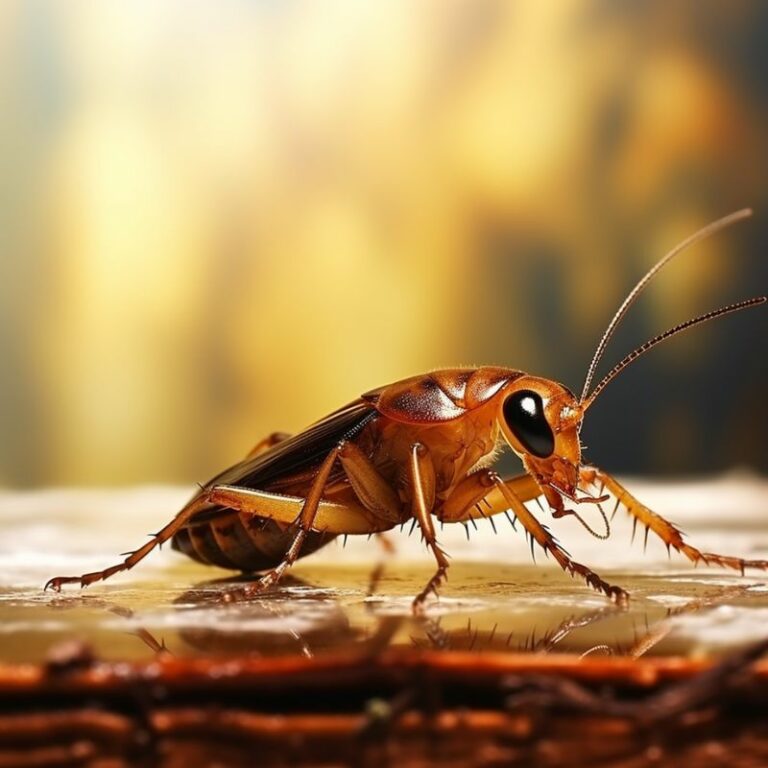
After a wet winter, March often brings a spike in sightings of moisture-loving pests as outdoor conditions change and homes retain trapped humidity. Cockroaches seek warm, damp harborage near plumbing, drains, and kitchens where food and water are available; silverfish move into basements, closets and attics where paper, glue and fabric stay damp; centipedes follow their prey (small insects and arthropods) and are commonly found in cool, humid basements or under debris. Saturated soil, clogged gutters and foundation seepage increase indoor humidity and create accessible routes, so even brief warm spells in March can trigger movement indoors as pests search for stable microclimates.
Lower Queen Anne’s building stock and site conditions make these moisture-related problems especially common after winter rains. Many houses are older, wood-frame or historic structures with basements, crawl spaces, shared walls in multifamily buildings, and aging plumbing or roof flashings; all of these factors raise the likelihood of leaks and gaps that allow pests to enter and find humid refuges. The neighborhood’s hillside topography and frequent heavy rainfall can concentrate runoff around foundations where grading or downspouts are inadequate. In addition, narrow lots and dense vegetation or mulch against foundations—typical of city yards—create damp zones next to walls and under porches that attract and sustain cockroaches, silverfish and centipedes.
Practical prevention and control focus first on moisture management and exclusion, then on targeted monitoring and treatments. Do a thorough March inspection: clear gutters and extend downspouts away from foundations, regrade soil slope so water runs away from the house, repair roof and plumbing leaks, and ensure venting and insulation in crawl spaces and attics. Inside, lower relative humidity with dehumidifiers in basements (aim for <50%), fix leaking appliances and pipes, seal gaps around utility penetrations, install door sweeps and caulk foundation cracks, and remove paper/piles and excessive storage that provide harborage. For active infestations, use bait stations for roaches, sticky traps for monitoring silverfish, and treat voids with appropriate dusts or targeted professional applications; consider a licensed pest professional for recurring or large infestations and ask for IPM (integrated pest management) strategies that minimize chemical use while addressing the moisture source.
Early-season wasps and nest initiation on properties
In early spring (often beginning in March in the Pacific Northwest), mated queen wasps emerge from sheltered overwintering sites and begin scouting for nest sites. Species you’re most likely to encounter around Lower Queen Anne include paper wasps, yellowjackets and sometimes bald-faced hornets; each starts with a single queen constructing a small paper-like nest that can rapidly grow as workers emerge. Warm, sunny days interspersed with the region’s typical cool, wet weather are enough to trigger nest initiation — queens will exploit protected cavities (eaves, soffits, wall voids, attics), sheltered outdoor structures (sheds, eaves, under decks), and vegetation (dense shrubs, rock walls, tree branches). Early nests are small and more easily removed or discouraged; by mid-to-late spring, a nest that’s been allowed to develop can contain dozens to hundreds of workers and becomes far more hazardous.
Lower Queen Anne’s mix of older wood-frame houses, porches, and mature landscaping creates many ideal microhabitats for founding queens. Close lot lines and urban green spaces mean a nest on one property can quickly affect neighboring homes, balconies and outdoor seating areas common in the neighborhood. March inspections are therefore especially useful: check under eaves, behind vents, inside attic vents, in storage sheds, in unused chimneys or bird houses, and among potted plants and ledges. Because wasps are attracted to protein and sugary foods, find-and-eliminate attractants around the property — keep lids on trash and compost, clean up spilled food from grills and outdoor dining areas, and avoid leaving sweet drinks or pet food exposed while doing outdoor work or entertaining.
Prevention and response combine inspection, exclusion, and cautious removal when needed. Seal gaps and holes around soffits, rooflines, window frames, and foundation vents; install screens on attic vents and repair torn siding or eaves where queen wasps could enter. If you find a fledgling nest early, removal is simpler and safer — consider contacting a licensed pest control professional for removal or relocation, especially for nests in rooflines, wall voids, or if the species is aggressive. Remember that wasps are ecologically beneficial predators of many garden pests, so removal should be targeted and proportional; if anyone on the property has a known venom allergy, treat any wasp activity as higher-risk, have an emergency plan (including access to medical care and epinephrine if prescribed), and avoid DIY attempts on established nests.
Structural vulnerabilities and preventive maintenance for historic/wood-frame houses
Historic, wood‑frame houses in Lower Queen Anne present several built‑in vulnerabilities that become especially important as Seattle moves from winter into March. Many of these homes have original lap siding, porches, battered or recessed foundations, older flashing details and paint systems that have degraded over decades; combined with close lot spacing and mature trees, these factors lead to persistent moisture pockets, decayed sills, and hidden voids where wood‑destroying insects and rodents can enter or nest. March’s combination of warming temperatures and continued soil and surface moisture reactivates pests (carpenter ants, moisture‑loving insects, early wasps, and rodents) and accelerates any ongoing wood decay, so areas like eaves, roof‑to‑wall junctions, porch supports, window sills, attic and crawlspace framing, and ground‑contact siding should be treated as priorities.
Preventive maintenance tailored to historic fabric both reduces pest risk and preserves character. Do a focused late‑winter inspection: clear and repair gutters and downspouts to ensure positive drainage away from the foundation; restore or install proper flashing and drip edges at rooflines and chimneys; replace or repair rotten trim and sill sections with compatible wood or appropriate treated materials; maintain an intact paint or sealant system on exposed joinery; keep soil, mulch and planting beds pulled back from wood siding and porch posts so wood is not in contact with damp earth; and prune branches that touch the house to reduce pathways for ants and rodents. For small gaps and entry points use durable exclusion materials — stainless steel mesh, copper or galvanized flashing, non‑compressible sealants, and steel wool in rodent entry holes — while choosing reversible or historically sympathetic treatments where preservation rules apply. Treating vulnerable members with borate preservatives (applied in a manner approved for historic work) can reduce future insect colonization without greatly altering appearance.
Combine structural work with integrated pest management for March risks. Before pests become active, remove attractants: store firewood off the ground and away from the house, eliminate clutter in basements and crawlspaces, correct interior and exterior leaks, screen attic and foundation vents, and set monitoring stations where you find moisture or previous activity. Look for early signs of carpenter ant activity (tiny sawdust, rustling in wall voids, trailing ants), small wasp nest starts in sheltered eaves or soffits, and rodent runways into attics — and bring in a licensed pest or preservation contractor for confirmed infestations or complex repairs. Regular annual inspections (late winter) and prompt, targeted repairs preserve the historic structure and greatly reduce the spring spike in pests typical for Lower Queen Anne.