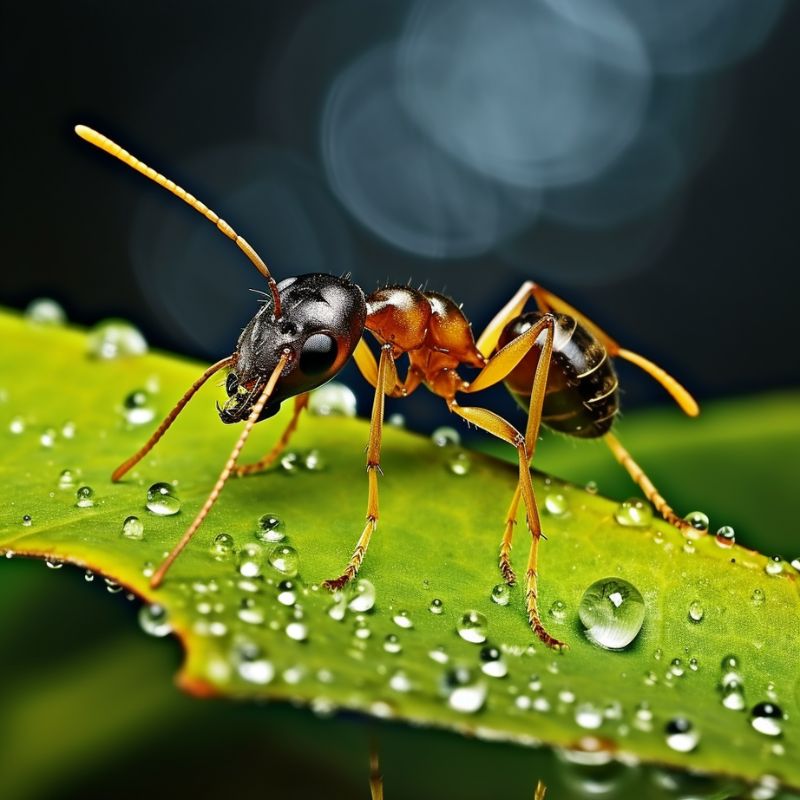
ant on a leaf

Carpenter Bees vs. Carpenter Ants: How to Tell Them Apart and Protect Your Seattle Home

Finding a perfectly round hole in your deck railing, fence, or wood trim can be alarming. Many Seattle homeowners immediately assume they have termites or carpenter ants, but the culprit may actually be a carpenter bee. While these insects don’t consume wood the way termites do, they can still cause structural damage over time if left untreated.

Knowing the difference between a carpenter bee and a carpenter ant is the first step toward protecting your home. Because these pests behave differently, they also require different treatment methods. Using the wrong DIY solution can allow the infestation to grow while the damage continues.

At Redi National Pest Eliminator, we help homeowners accurately identify wood-damaging pests and provide effective solutions for carpenter bee control Seattle residents can trust. Here’s how to tell these pests apart and what you should do if you find signs of activity around your property.

Carpenter Bee vs Carpenter Ant: What’s the Difference?

One of the most common calls we receive involves homeowners asking about the difference between a carpenter bee vs carpenter ant. Although both pests interact with wood, they have very different appearances and behaviors.

Carpenter Bees

Carpenter bees resemble large bumblebees but have a smooth, shiny black abdomen instead of the fuzzy yellow-and-black body most people associate with bumblebees.

Female carpenter bees drill nearly perfect circular holes into unfinished or weathered wood to create nesting tunnels for their offspring. These holes are typically about one-half inch in diameter and are often found on:

  • Deck railings
  • Wooden fences
  • Fascia boards
  • Pergolas
  • Outdoor furniture
  • Wooden siding
  • Eaves and soffits

Once inside the wood, the bee creates a series of galleries where eggs are laid and larvae develop.

Carpenter Ants

Carpenter ants are much smaller than carpenter bees and are usually black or dark reddish-black. Unlike bees, they do not drill perfectly round holes.

Instead, carpenter ants excavate damp or decaying wood to create nesting galleries. They remove wood shavings from their tunnels, leaving behind small piles of coarse sawdust known as frass.

Carpenter ants are often found in:

  • Moist wall voids
  • Window frames
  • Crawl spaces
  • Roof leaks
  • Water-damaged structural wood

Understanding the distinction between a carpenter bee vs carpenter ant helps determine the proper treatment before more damage occurs.

Identifying Carpenter Bee Holes

The easiest way to recognize carpenter bee activity is by examining the entrance hole.

Carpenter bee holes are:

  • Nearly perfectly round
  • Approximately 1/2 inch wide
  • Smooth around the edges
  • Located on exposed wood surfaces
  • Often accompanied by yellowish staining or droppings beneath the opening

You may also notice bees hovering around the area. Male carpenter bees are known for flying aggressively near people but rarely sting. Female bees can sting but typically only do so if directly handled or threatened.

Unlike carpenter ants, carpenter bees usually do not leave large piles of sawdust outside their tunnels.

How Carpenter Ant Damage Looks Different

Carpenter ant damage often appears much less uniform.

Instead of a single clean entrance hole, carpenter ants create irregular openings connected to extensive galleries hidden inside wood.

Common signs include:

  • Loose wood shavings
  • Hollow-sounding wood
  • Rustling noises inside walls
  • Winged ants during swarm season
  • Trails of worker ants around the home

Since carpenter ants prefer damp wood, finding them may also indicate an underlying moisture problem that needs correction.

Again, recognizing the difference between a carpenter bee vs carpenter ant is essential because treatment methods are entirely different.

Why Carpenter Bees Are Harder to Eliminate

Many homeowners assume carpenter bees behave like ants with one large colony that can simply be sprayed.

In reality, carpenter bees are solitary insects.

Each female builds and maintains her own nesting tunnel. While many bees may nest close together, they are not part of one large eusocial colony like carpenter ants.

That makes wood boring bee treatment more challenging.

Simply spraying visible bees usually does little to eliminate the problem because:

  • Hidden larvae remain inside tunnels.
  • Existing tunnels are reused year after year.
  • New generations often emerge from the same nesting sites.
  • Additional females are attracted to previously damaged wood.

Professional wood boring bee treatment targets active tunnels while helping prevent future nesting activity.

Can Carpenter Bees Damage Your Home?

Although carpenter bees do not eat wood, they can still create significant damage over time.

Each individual tunnel may seem minor, but repeated nesting seasons can expand the network of galleries considerably.

Long-term damage may include:

  • Weakened deck railings
  • Damaged fascia boards
  • Compromised pergolas
  • Structural weakening of exposed trim
  • Increased moisture intrusion through openings

Woodpeckers can make matters even worse.

Woodpeckers often peck into infested wood while searching for carpenter bee larvae, creating much larger holes and accelerating structural damage.

Ignoring carpenter bees today can lead to much more expensive repairs later.

DIY Wood Boring Bee Treatment: Does It Work?

There are many DIY products marketed for wood boring bee treatment, including aerosol sprays, dust insecticides, and homemade remedies.

While these may kill individual bees, they often fail to solve the underlying problem.

Common DIY mistakes include:

Spraying the Entrance Hole Immediately

Many homeowners spray insecticide directly into the hole and immediately seal it.

If larvae remain inside, new adults may eventually emerge elsewhere, or surviving bees may simply create additional tunnels nearby.

Filling Holes Too Soon

Plugging holes before treatment traps developing bees inside while doing little to eliminate future activity.

Ignoring Nearby Tunnels

Finding one carpenter bee hole often means others are nearby.

Treating only the visible opening allows neighboring nests to continue expanding.

Forgetting Preventive Measures

Without proper sealing or finishing, untreated wood remains highly attractive to future carpenter bees.

Professional wood boring bee treatment addresses both active infestations and long-term prevention.

Professional Carpenter Bee Control Seattle Homeowners Can Count On

Professional carpenter bee control Seattle services involve much more than spraying insects.

At Redi National Pest Eliminator, we begin with a detailed inspection to identify:

  • Active nesting sites
  • Previously used tunnels
  • Areas vulnerable to future activity
  • Moisture conditions
  • Other wood-damaging pests

Treatment may include targeted applications within nesting galleries, removal of active infestations, recommendations for repairing damaged wood, and strategies to discourage future nesting.

Because carpenter bees often return to successful nesting locations, long-term prevention is just as important as eliminating current activity.

Preventing Future Carpenter Bee Damage

Once carpenter bees have been eliminated, prevention becomes your best defense.

Seattle’s damp climate naturally exposes exterior wood to weathering, making proper maintenance especially important.

Helpful prevention strategies include:

Seal or Paint Exposed Wood

Carpenter bees strongly prefer unfinished or weathered wood.

Applying quality paint, stain, or sealant makes wood significantly less attractive for nesting.

Repair Existing Holes

After treatment is complete, old nesting holes should be properly filled and refinished to discourage future reuse.

Replace Severely Damaged Wood

Boards with extensive tunneling may need replacement before they lose structural integrity.

Schedule Routine Inspections

Annual inspections help identify early signs of carpenter bee activity before major damage develops.

Professional carpenter bee control Seattle services can catch small problems long before repairs become costly.

Protect Your Seattle Home Before Small Holes Become Bigger Problems

A perfectly round hole in your deck or siding shouldn’t be ignored. Whether you’re dealing with a carpenter bee vs carpenter ant, proper identification is critical for choosing the right solution.

Carpenter bees may seem harmless at first, but repeated nesting can weaken wooden structures and invite even greater damage from moisture and woodpeckers. DIY products often provide only temporary relief, while professional wood boring bee treatment targets the source of the problem and helps prevent future infestations.

If you’ve noticed suspicious holes, hovering bees, or unexplained wood damage around your home, Redi National Pest Eliminator is ready to help. Our experienced team provides reliable carpenter bee control Seattle homeowners can depend on, delivering customized treatment plans that protect your property and preserve your investment for years to come.

Similar Posts